12:02 - 20.06.2026
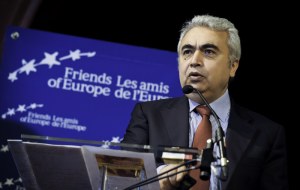
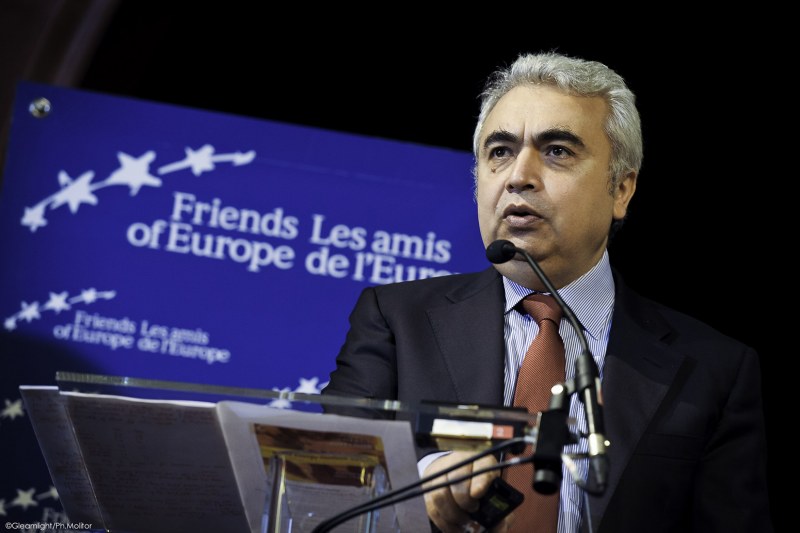
June 20, Fineko/abc.az. Executive Director of the International Energy Agency (IEA), Fatih Birol, warned that the structural perception of safety regarding the Strait of Hormuz has been permanently damaged, regardless of the recent temporary breakthrough between Washington and Tehran.
According to ABC.AZ, evaluating the fluid dynamics of global energy trade, Birol noted that the two primary arteries of international commodity distribution—the pipelines connecting Russia to Europe and the maritime channels of the Strait of Hormuz—have both faced severe shutdowns. "Even with an accord, the Strait of Hormuz has lost its reliability. The vase is broken. From this point forward, it is impossible to return to the status quo ante," Birol remarked.
Core Structural Takeaways from the IEA Briefing:
The Gulf’s Bypass Strategy: Major regional producers are actively shifting away from geographical dependency on the bottleneck. Saudi Arabia and the UAE are aggressively constructing cross-country alternative pipelines. Consequently, the UAE is on track to completely bypass the Strait of Hormuz, bringing its transit reliance down to zero by the end of 2027.
Supply Glut and Crude Normalization: While the recent easing of prices to the $75–80 band offers macro breathing room for energy-importing economies like Turkey, full industrial normalization will take time due to damaged infrastructure. However, Birol emphasized that if verifiable guarantees ensure the strait remains permanently open during the upcoming 60-day technical talks, global markets will print a substantial supply surplus next year.
Turkey’s COP31 Strategic Map: Commenting on the upcoming UN Climate Change Conference (COP31) to be hosted in Antalya under Turkish presidency, Birol revealed that IEA is working closely with Turkish authorities. Ankara’s summit agenda will prioritize three global targets: accelerating worldwide electrification, scaling "Zero Waste" frameworks, and financing Africa’s clean energy transition.


24 June 2026
24 June 2026