20:30 - 16.06.2026
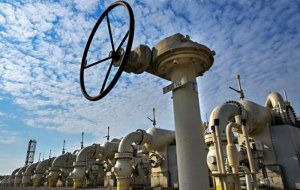
June 16, Fineko/abc.az. Ankara is resisting a straightforward extension of the Iraq-Turkey crude oil pipeline agreement, set to expire on July 27, demanding that any new text secure full-capacity utilization and long-term commitments from Baghdad.
According to ABC.AZ, tracking a report by Bloomberg, a senior official with direct knowledge of the talks stressed that following intense international arbitration, maintaining the pact in its baseline framework is unviable. While the Iraqi Ministry of Oil requested at least a one-year technical extension to finalize terms, Turkish authorities remain unreceptive, leaving the final decision on a potential shutdown of northern Iraqi flows to President Recep Tayyip Erdogan.
Ankara’s Core Matrix of Conditions & Operational Background:
Long-Term Volume Guarantees & Capacity Fees: Turkey wants a firm contract framework spanning 5 to 10 years. The pipeline maintains an aggregate transit capacity of 1.5 million barrels per day (bpd), and Ankara demands full utilization. Under the proposed terms, if Iraq leaves the pipeline under-utilized, it must pay standalone capacity reservation fees. Alternatively, Turkey seeks the right to transport third-party crude through its domestic section.
Iraq’s Near-Term Export Expansion: Currently, Iraqi shipments through the corridor hover around 170,000–180,000 bpd. However, Baghdad recently approved an accelerated plan to scale lifting operations from Kirkuk and the Kurdistan Regional Government (KRG) fields to the Mediterranean terminal of Ceyhan from 220,000 bpd to 770,000 bpd within two and a half months.
Arbitration Pressures and Disruptions: Relations soured previously after the International Court of Arbitration ordered Turkey to pay $1.5 billion in damages for factoring unauthorized KRG independent exports between 2014 and 2023. The link was halted post the 2023 earthquakes, returning online after maintenance in September 2025. A temporary geostrategic stoppage occurred recently due to the war involving Iran, though flows officially resumed on March 18.